

What to Feed a Baby Bird When You Find One Outdoors
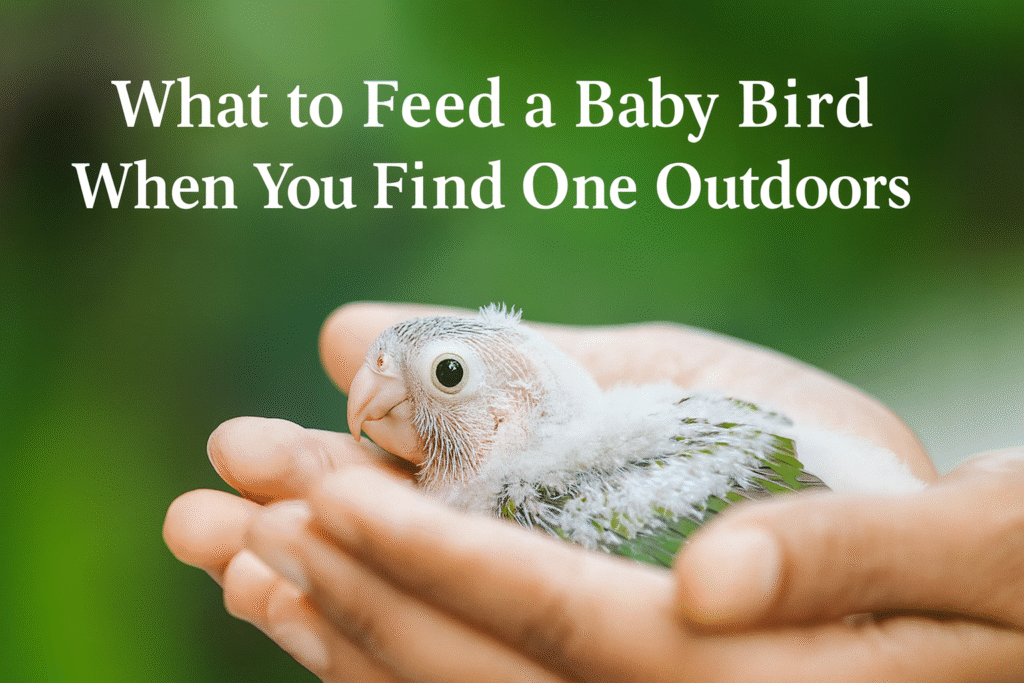
Understanding what to feed a baby bird is crucial because the wrong food can cause instant harm. The safest approach relies on soft, warm, high-protein meals that imitate what parent birds naturally provide. Many people encounter helpless nestlings unexpectedly, and knowing the correct steps prevents well-intentioned mistakes.
Baby birds rely on steady nourishment every few minutes, especially during their earliest days. Their fragile bodies, developing organs, and rapid metabolism need precise feeding choices to ensure comfort, growth, and survival. This feature piece details safe foods, routines, warning signs, and practical methods that everyday bird lovers can apply confidently.
Early Nutrition and Why Every Choice Matters
The earliest meals shape how well the chick develops. Unlike adults, nestlings cannot swallow seeds or peck at grains. Their systems are built for gentle, protein-rich mixes. When the wrong food enters the crop, problems appear quickly: swelling, residue around the beak, slow breathing, improper digestion and sudden lethargy.
Misconceptions about feeding are common because adult birds casually eat items like nuts or bread crumbs. Nestlings cannot. Their bodies require carefully prepared, warm blends that mimic regurgitated food from a parent bird.
How Do You Identify Whether the Chick Needs Feeding or Reuniting?
A surprising number of “abandoned” chicks aren’t abandoned at all. Many are fledglings hopping around while parents watch from nearby branches. A fully feathered young bird that chirps, flutters, and attempts short hops is usually being cared for already. In such cases, feeding is unnecessary.
A nestling with bare skin or sparse feathers, however, needs immediate warmth and placement back into its nest if possible. Parent birds accept their young readily. Only when a chick is injured, cold, or in immediate danger should feeding begin. A cold chick cannot digest food, so warming always comes first.

Safe Foods That Work When the Species Isn’t Known
Emergencies often occur before you even know what kind of bird you’re helping. Fortunately, some foods suit many species temporarily:
- Mashed hard-boiled egg softened with warm water
- Softened dog kibble soaked until it becomes spongy
- Crushed mealworms mixed into warm moisture
- A specialized baby bird formula if available
Foods to avoid immediately include:
- Bread
- Milk
- Dry grains
- Raw seeds
- Large insects
- Any food that is cold, sticky, or hot
These unsafe choices can injure the digestive lining or choke the chick.
Understanding Texture and Temperature
The perfect texture resembles smooth, warm porridge that glides off a small spoon. Baby birds cannot manage chunks, gritty pieces, or thin liquids. Warmth supports natural digestion, while heat must never exceed body temperature.
Common household tools that work safely:
- Tiny spoons
- Cotton swabs
- Small syringes
- Clean eyebrow brushes
Feeding always happens from above, never straight into the throat, as this prevents aspiration.
Steady Feeding Routines Used by Experienced Bird Keepers
A structured routine creates stability and helps the bird gain strength. Traditional daily patterns look like this:
- Frequent meals starting at dawn
- Soft, protein-rich blends offered at short intervals
- Crop checks before each feeding
- Warmth maintained throughout the day
These habits mirror natural feeding cycles. Many caregivers describe a sense of calm that develops as the chick responds visibly—perking up, chirping, and settling after each meal.

Why Specialized Formulas Offer Added Safety
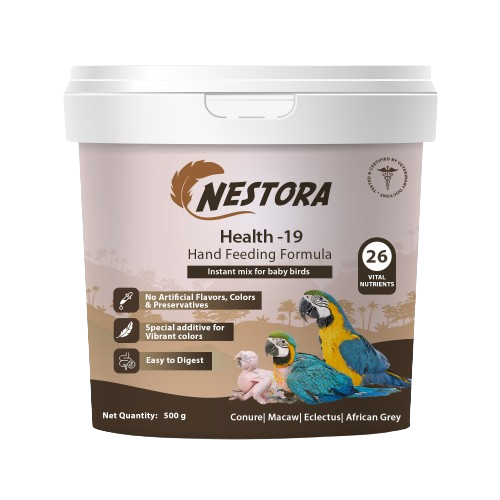
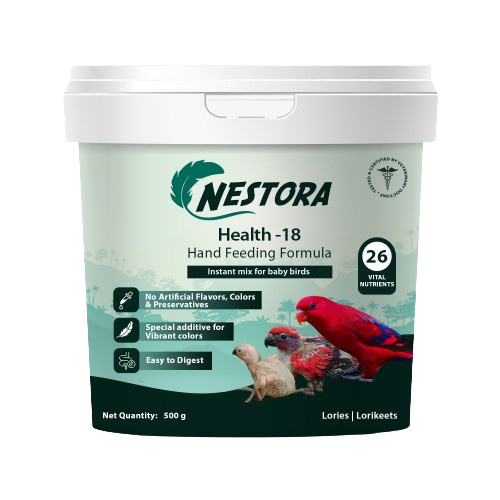
A premium, scientifically formulated blend such as Nestora ensures vet-recommended nutritional balance and supports predictable growth. Its smooth consistency and nutrient profile offer the same reliability parent birds deliver naturally.
For ongoing, everyday support after fledging, many owners turn to products like Beaksy, a balanced daily nutrition solution that maintains steady development without overwhelming the bird as it transitions toward independence.
FAQs
- Can I give water directly?
No. It can enter the lungs—use moist food instead. - How often should I feed a nestling?
Every 15–20 minutes during daylight. - Is bread safe for baby birds?
No. It has no nutrition and can cause digestive issues. - Can I feed milk or dairy?
Never. Birds cannot digest dairy. - What food is safest in emergencies?
Warm mashed egg, softened dog kibble, or baby bird formula.
“Gentle care and the right food can turn a fragile moment into a second chance at life.”