



Surprising Behaviors Every African Love Bird Owner Should Know
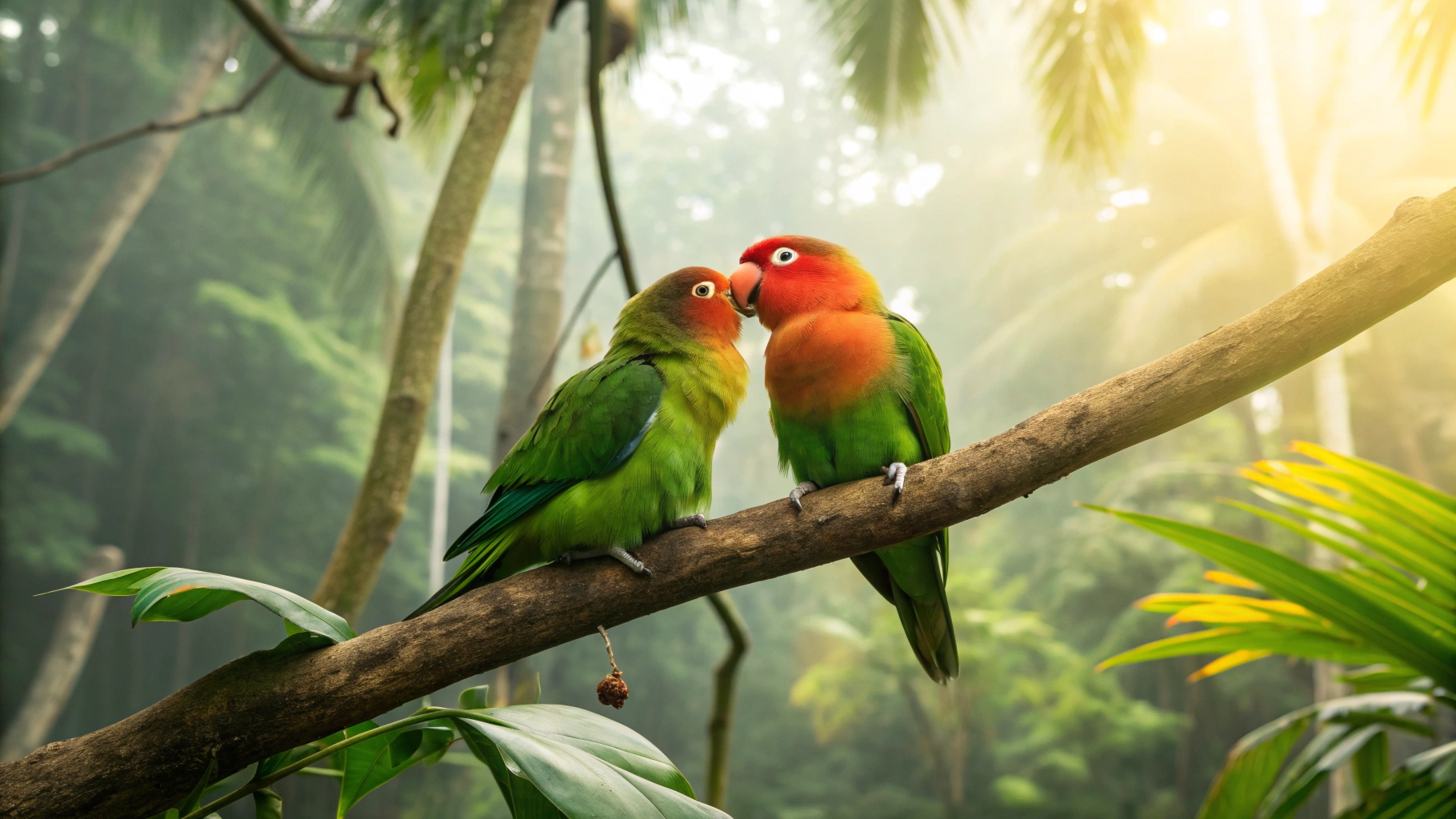
African love birds are capturing attention like never before. Their intelligence, affectionate nature, and adaptability to home environments have made them a favorite among pet enthusiasts. Recent observations reveal fascinating behavioral patterns, unexpected preferences, and health nuances that every owner should know.
Can African Love Birds Recognize Human Emotions?
Studies and qualitative observations suggest that African love birds can sense their owner’s moods. They respond differently to calm voices versus stressed tones, often mirroring the emotional energy around them. Owners have reported birds becoming unusually quiet when someone is upset or chirping joyfully when greeted warmly. This sensitivity emphasizes the need for consistent emotional engagement.
Do African Love Birds Dream Like Humans?
During deep sleep, African love birds exhibit rapid eye movements and gentle wing movements. Experts believe these could be indicators of dreaming, potentially replaying daily activities or interactions. Ensuring they have uninterrupted sleep in a quiet, safe space allows for mental and physical recovery, contributing to overall well-being.
How Do African Love Birds Communicate Secretly Among Themselves?
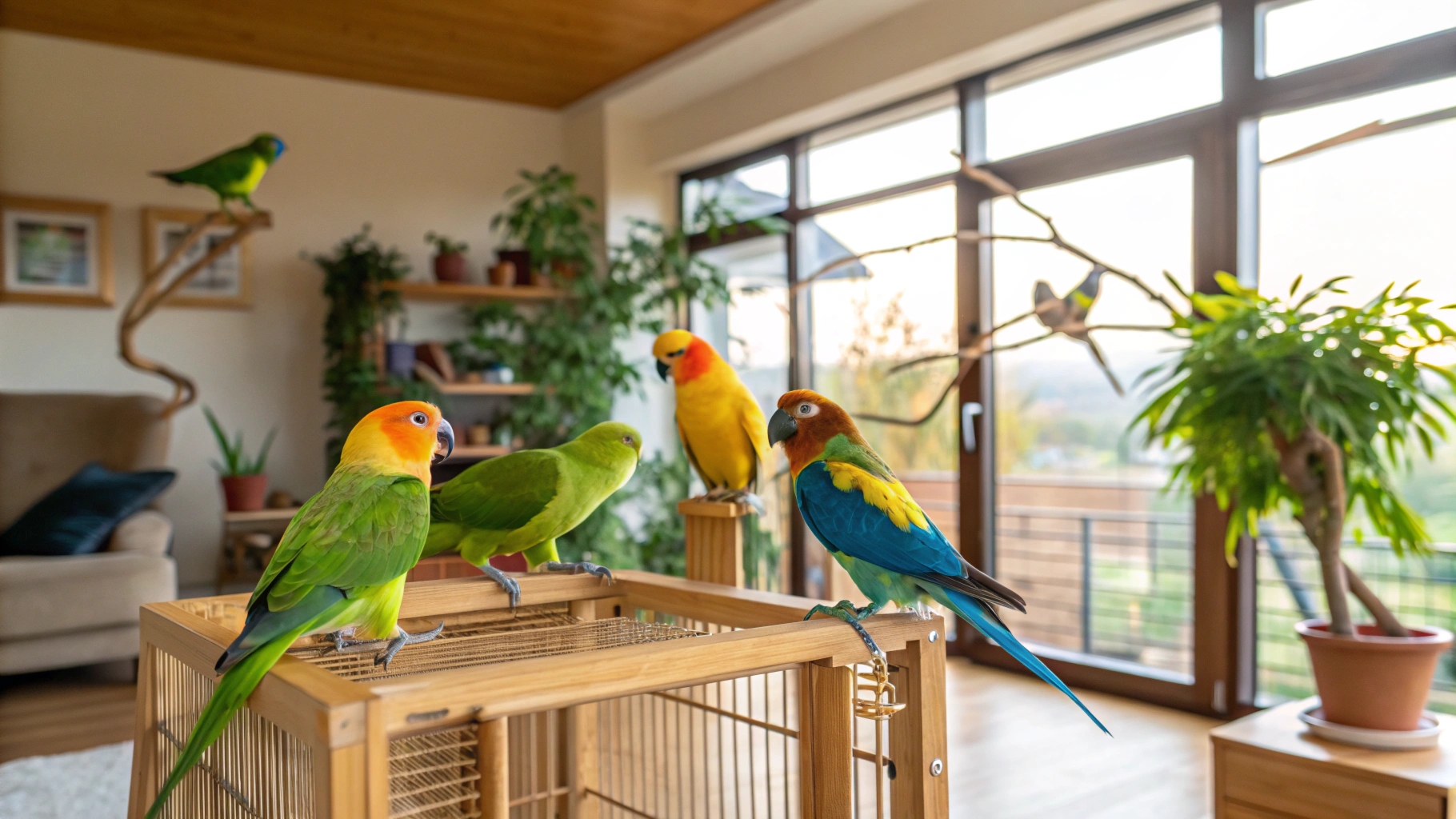
African love birds often use subtle signals like a soft chirp, head tilt, or feather movement-to convey messages that are almost invisible to humans. These secret communications help them maintain pair bonds, coordinate feeding, or warn of perceived threats. Observing these cues can deepen an owner’s understanding of their bird’s social intelligence.
Can African Love Birds Learn From Each Other’s Mistakes?
Owners have noticed that birds in shared cages quickly avoid actions that lead to negative outcomes for their cage mates. For instance, if one bird touches a hot perch or encounters a tricky puzzle, others learn indirectly without direct trial-and-error. This demonstrates cognitive adaptability and advanced learning capabilities.
Do African Love Birds Have Favorite Colors or Objects?
Surprising new observations indicate African love birds may prefer certain colors or objects. Many birds show excitement toward bright toys, specific patterned perches, or even particular fruits. Introducing a variety of items and monitoring their reactions can reveal their preferences, making enrichment activities more engaging.
How Do African Love Birds Experience Stress in Silent Ways?
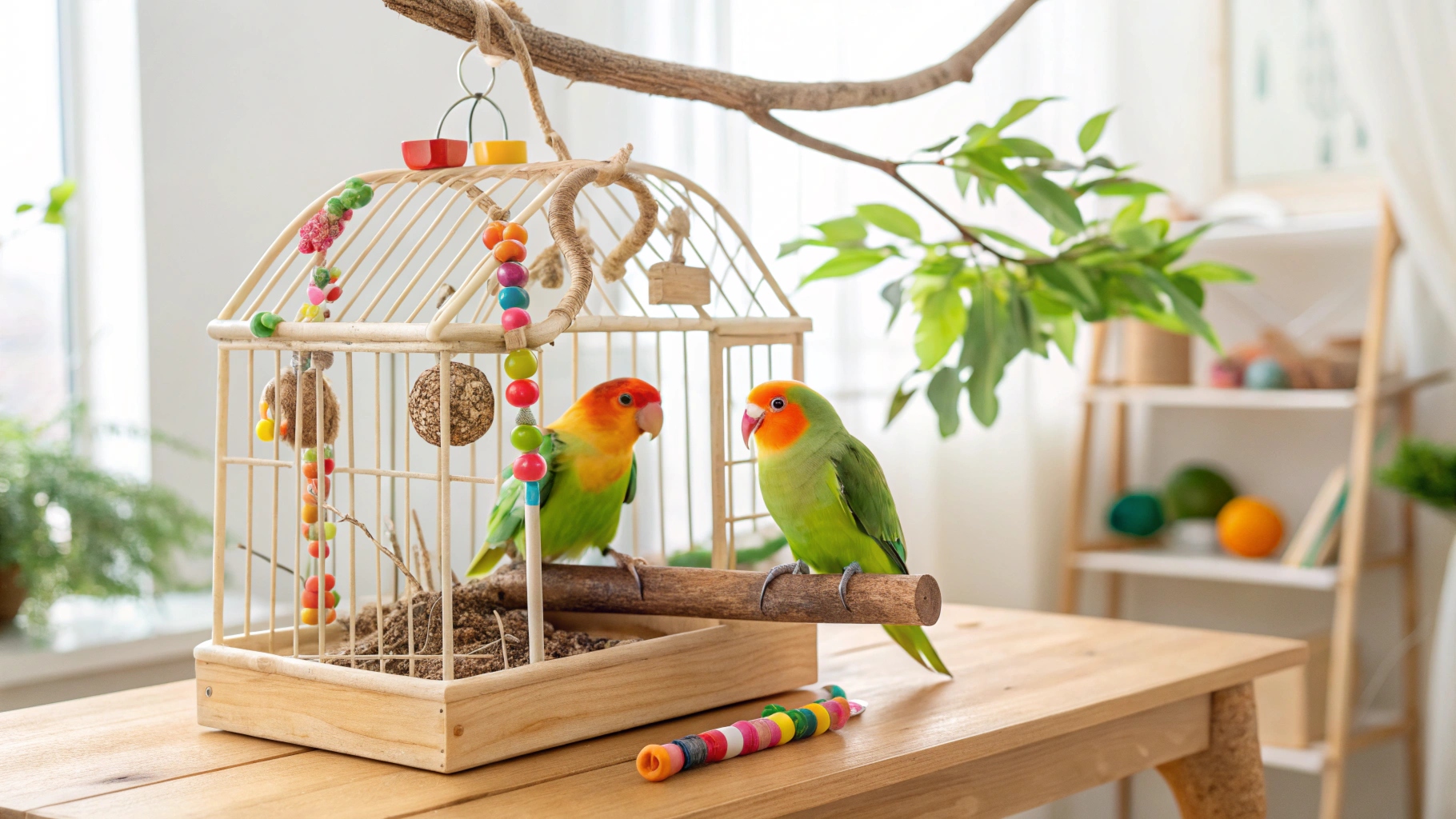
Not all stress is vocal or visible. Subtle signs like reduced hopping, slight feather flaring, or less interaction with toys may indicate low-level stress. Regular monitoring, proper cage placement, and social engagement are essential for minimizing these hidden stressors.
Can African Love Birds Develop Personality Traits Like Extroversion or Shyness?
Individual birds exhibit distinct personalities. Some are curious and outgoing, approaching humans and exploring toys confidently, while others are cautious, preferring to observe before interacting. Recognizing these traits helps owners tailor care routines, enrichment activities, and socialization approaches for each bird.
How Do African Love Birds Adapt to Urban Noise Patterns?
Urban environments introduce constant sounds-traffic, construction, or household appliances-that can influence behavior. African love birds gradually adapt by modulating their vocalizations or altering activity periods. Offering quiet corners or soft background music can help mitigate stress from urban noise.
Do African Love Birds Exhibit Seasonal Behavior Changes Indoors?
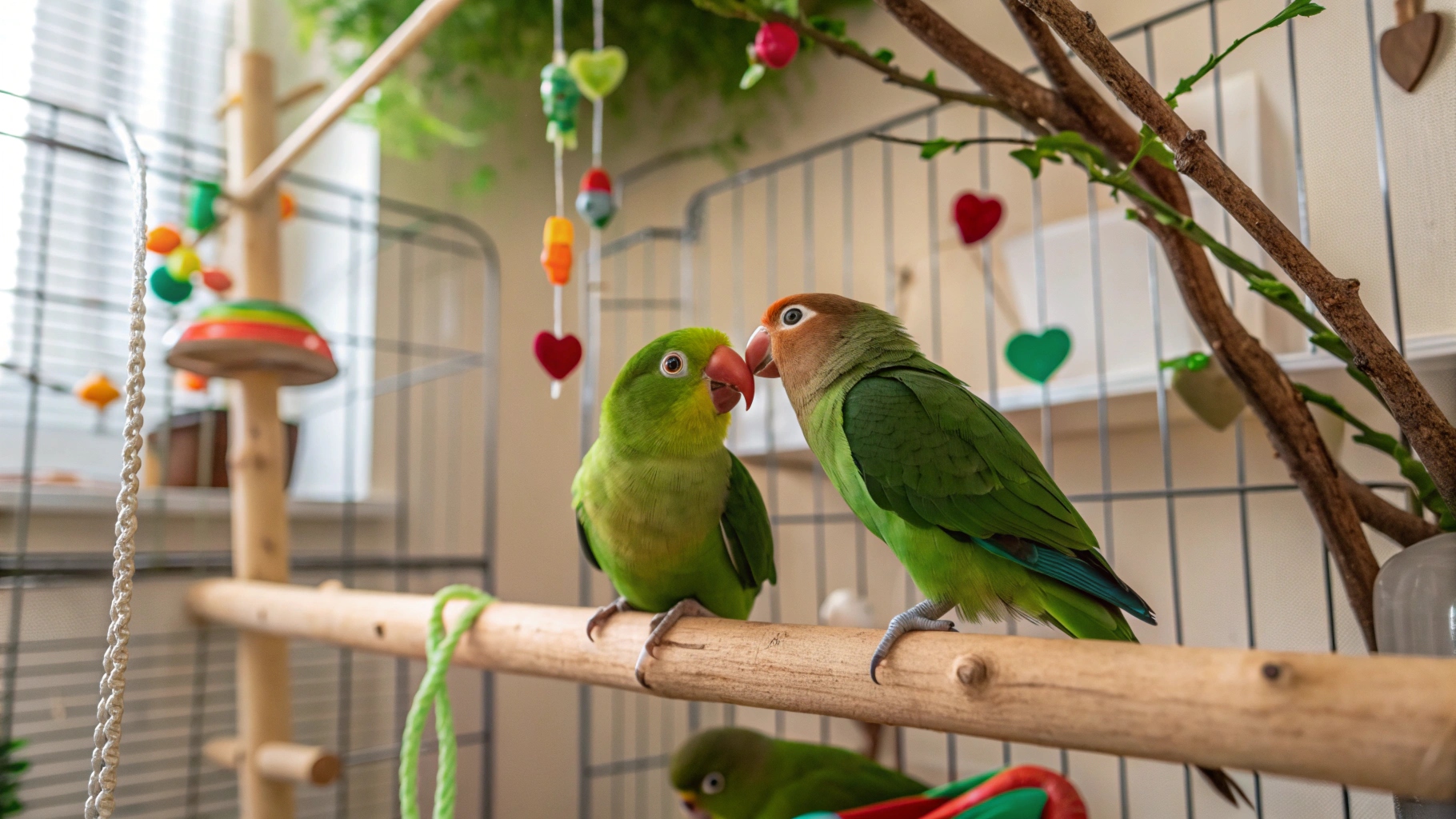
Even indoors, some African love birds show patterns resembling seasonal changes. For example, increased preening, slight shifts in feeding times, or longer periods of rest may appear during months with shorter daylight. Understanding these subtle adjustments can guide owners in optimizing lighting and feeding schedules.
Can African Love Birds Detect Changes in Owner’s Mood Through Voice?
Many owners report that African love birds respond to vocal tones. Gentle, cheerful speech encourages interaction, while loud or stressed tones may cause avoidance or nervous chirping. Consistent, calm communication strengthens trust and fosters a positive environment for the bird.
Daily Nutrition Tips for Vibrant Health
Balanced feeding is critical for maintaining energy, feather health, and cognitive function:
| Food Type | Benefit | Frequency |
| Pellets (Beaksy) | Daily nutrition and balanced support | Daily |
| Fresh Fruits | Vitamins, hydration | 3–4 times/week |
| Leafy Vegetables | Minerals, fiber | Daily |
| Sprouted Seeds | Protein and enrichment | 2–3 times/week |
| Occasional Nuts | Healthy fats and mental stimulation | 1–2 times/week |
For hand-reared or young African love birds, Nestora offers premium, vet-recommended, scientifically formulated care that supports early growth and immune system development.
Enrichment Ideas to Stimulate African Love Birds
- Puzzle feeders to enhance problem-solving skills.
- Rotating toys to maintain curiosity.
- Mirror or supervised interaction for solo birds.
- Training exercises for bonding and mental exercise.
These activities reduce boredom, strengthen human-bird connections, and encourage natural behaviors.
How CKpetsworld Supports African Love Bird Owners
CKpetsworld provides guidance, expert tips, and premium products to ensure African love birds thrive. You can contact us for more insights on feeding, enrichment, and health solutions designed specifically for these intelligent, vibrant birds.
FAQs
- Can African love birds recognize different humans?
Yes, they can distinguish familiar people from strangers using visual and vocal cues. - How often should I provide fresh water?
At least once daily, ensuring it’s clean and safe for drinking. - Do African love birds need social interaction every day?
Yes, daily engagement is essential for mental and emotional well-being. - Can African love birds learn tricks?
Absolutely, with consistent training and positive reinforcement. - How can I tell if my bird is stressed?
Look for feather plucking, reduced activity, or vocal changes.
“African love birds are mirrors of care; they flourish when love, attention, and curiosity are part of their world.”