


Sun Conure: A Colorful Companion - Lifespan, Sounds, Babies, and Color Varieties
The sun conure is a vibrant and playful parrot known for its striking mix of orange, yellow, and green feathers. It is highly social, loves attention, and forms strong bonds with its owners. Because of its lively nature and long lifespan, owning a sun conure is a long-term commitment.
Sun conure lifespan: How long do they live?
Sun conures typically live between 15 to 30 years in captivity when given proper care. Their lifespan depends largely on how well they are maintained.
Key factors that influence lifespan include:
- A balanced diet with pellets, fruits, and vegetables
- A spacious and clean cage
- Daily interaction and mental stimulation
- Regular veterinary check-ups
- Proper sleep of 10–12 hours
Without proper care, their lifespan can reduce significantly.
Sun conure sounds: vocal, expressive, and social
Sun conures are naturally loud and expressive birds. They communicate through a mix of chirps, whistles, and high-pitched squawks.
They are most vocal:
- During morning and evening
- When they are excited
- When they want attention
While their noise can be charming, it can also be overwhelming. Proper training, social interaction, and engaging toys can help manage excessive screaming.
|
Stage
|
Birds Observed
|
Focus
|
|---|---|---|
|
Early Days
|
Lories, Lorikeets
|
Warmth & digestion
|
|
Growing Phase
|
Amazon parrots, Conures
|
Strength building
|
|
Feather Phase
|
Cockatoos, Large Conures
|
Feather growth
|
|
Active Stage
|
Small & Medium Conures
|
Energy balance
|
|
Transition Phase
|
All exotic birds
|
Independence
|
This gradual pattern supports chick nutrition balance across different species.
Their diet usually progresses from:
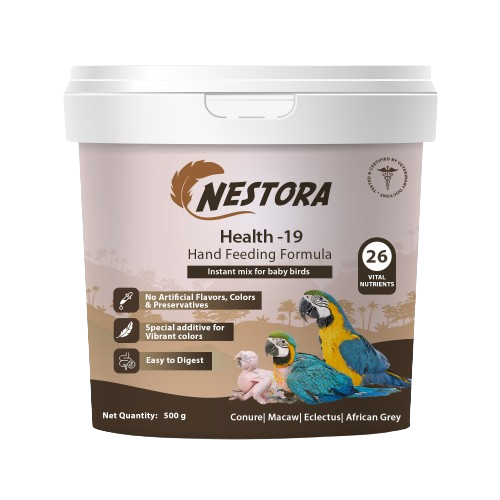
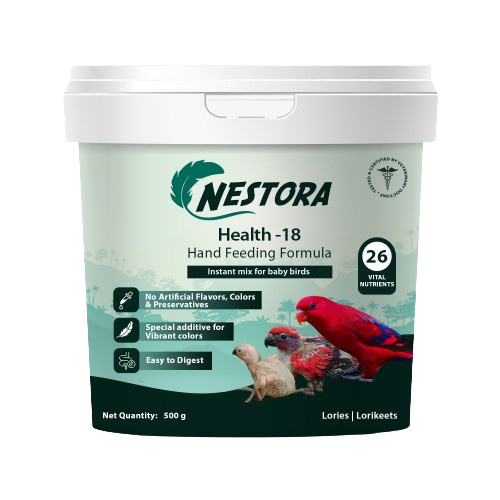
- Hand-feeding formula (initial stage)
- Gradual transition to pellets
- Introduction of fruits and vegetables
- Occasional seeds
Early socialization is important. Gentle handling and exposure to different environments help in developing a well-adjusted adult bird. Consulting an avian vet is always recommended for beginners.
Baby sun conure: caring for a youngster
Taking care of a baby sun conure requires patience and attention. At an early stage, they need a warm and safe environment along with proper feeding.
Color variations: green, blue, golden, and red factor sun conure
Although the classic sun conure is known for its bright sunset colors, there are several beautiful variations available.
Some popular types include:
- Green Sun Conure – retains more green tones
- Blue Sun Conure – rare and cooler-toned mutation
- Golden Sun Conure – rich yellow and gold shades
- Red Factor Sun Conure – enhanced red/orange pigmentation
These variations are mainly visual and do not affect the bird’s personality or behavior.
Living with a Sun Conure
Living with a sun conure can be a joyful experience if their needs are properly met. They require both physical and mental stimulation to stay healthy.
For a happy sun conure:
- Provide a large cage with different perches
- Offer chewable toys and rotate them regularly
- Ensure daily out-of-cage time
- Maintain a nutritious diet with pellets and fresh foods
- Schedule regular vet visits
Consistency and interaction are key to keeping them active and content.
Best Hand Feeding Formula for Birds and Feather Development in Exotic Species
Feather formation in Lorikeets, Cockatoos, and Amazon parrots begins early. Small & Medium Conures and Large Conures start showing soft feather lines within weeks when feeding remains steady.
Caretakers often notice:
- Soft feather sprouts appearing
- Increased body movement
- More alert feeding behavior
- Longer active periods
A regular best hand feeding formula for birds plan helps support natural feather and body growth.
Realize Your Conclusion
Sun conures are affectionate, energetic, and full of personality. However, they are not low-maintenance pets. Their noise levels, social needs, and long lifespan mean they are best suited for owners who can dedicate time and care.
If you’re ready for a colorful and interactive companion, a sun conure can be a perfect addition to your home.
F.A.Q.
15–30 years with proper care.
Yes, they are loud and vocal birds.
Yes, but requires time and patience.
Hand-feeding formula, then pellets and fresh foods.