

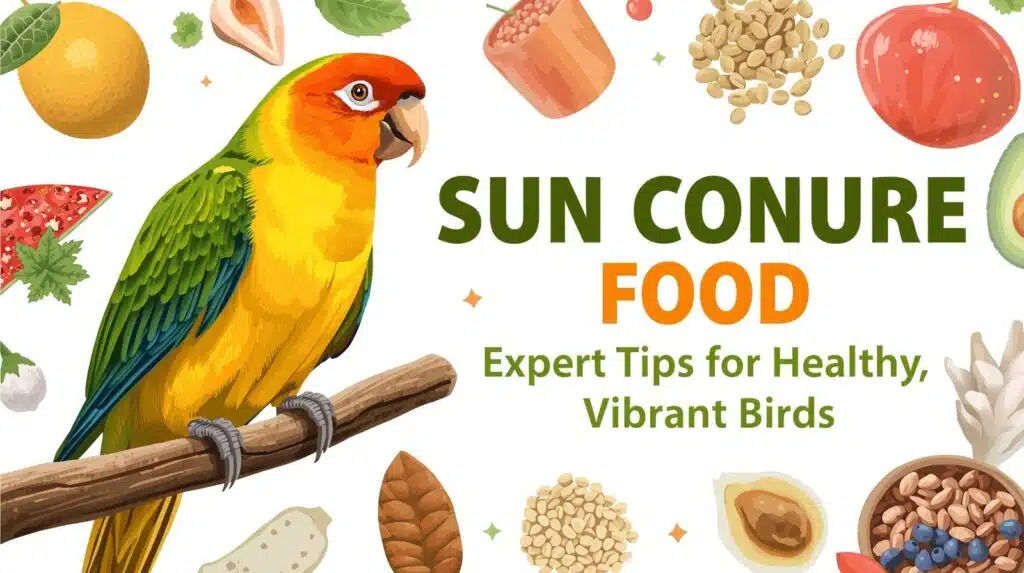
Sun Conure Food: Expert Tips for Healthy, Vibrant Birds
Sun conures are colourful, social, and intelligent birds that require carefully planned diets. Proper nutrition affects not only their health but also their energy, behaviour, and feather vibrancy. Today, feeding is shifting from seed-heavy routines to science-backed, structured diets.
Why Diet Matters for Sun Conures
Sun conures thrive on diets that mimic their natural foraging patterns. In the wild, they consume fruits, flowers, seeds, and occasional insects. Pet birds require a balanced combination of pellets, vegetables, fruits, and proteins to maintain:
- Feather brightness and longevity
- Steady energy and playfulness
- Healthy digestive function
- Strong immunity
Birds fed structured meals also show calmer behaviour, reduced stress, and better bonding with their owners.
Daily Feeding Essentials for Sun Conures
A healthy diet for sun conures includes a combination of:
Pellets
- Provide balanced vitamins and minerals
- Prevent selective eating and nutrient deficiencies
- Should form 60–70% of the daily diet
Vegetables
- Bell peppers, carrots, broccoli, and leafy greens
- Steamed or lightly chopped for easy consumption
- Rotate types to prevent boredom
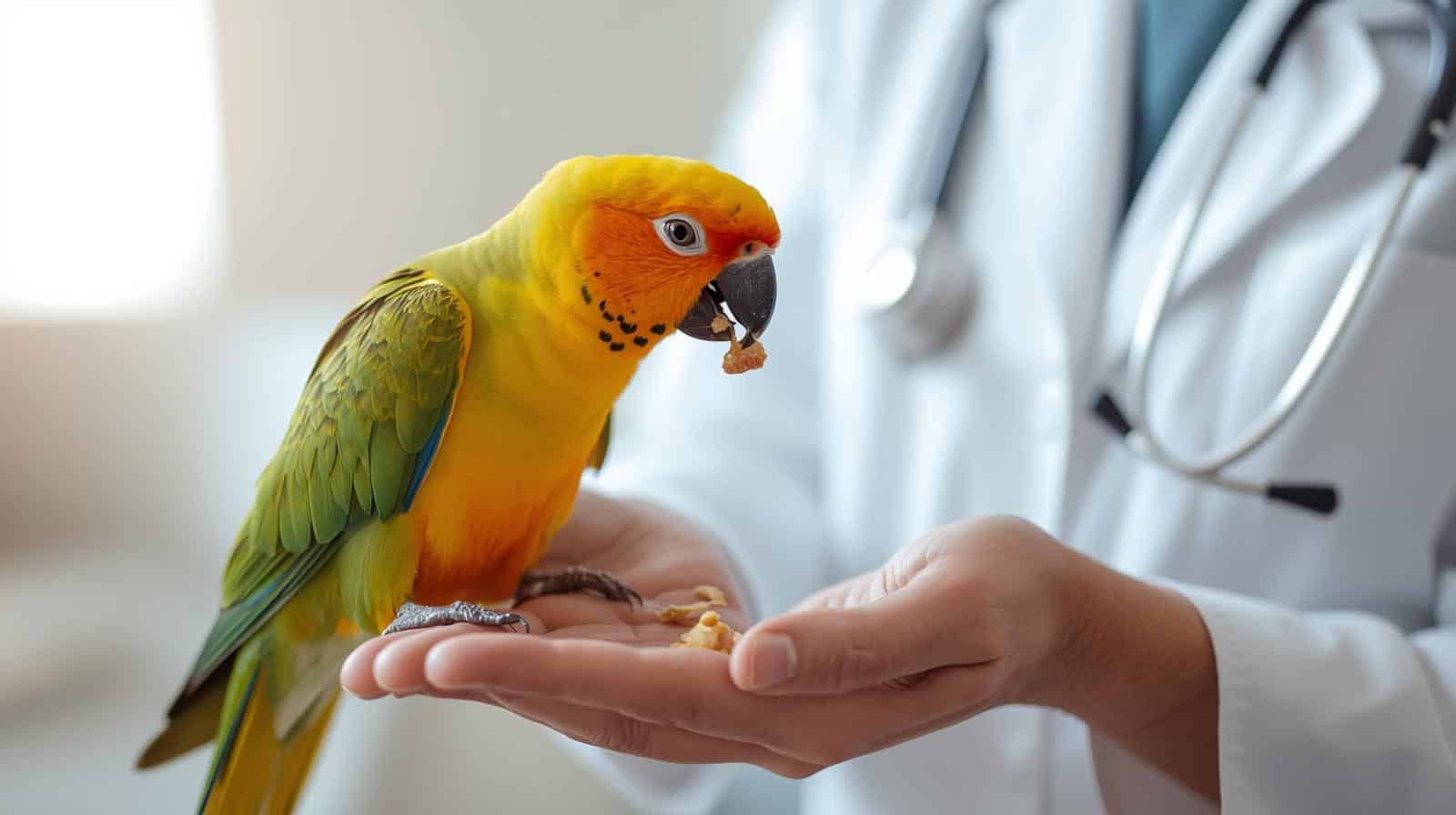

Fruits
- Apples, berries, oranges, and melons in moderation
- Serve fresh, washed, and sliced
- Avoid high-sugar fruits at night
Proteins
- Cooked lentils, beans, or boiled eggs occasionally
- Supports muscle and feather development
Specialty Foods
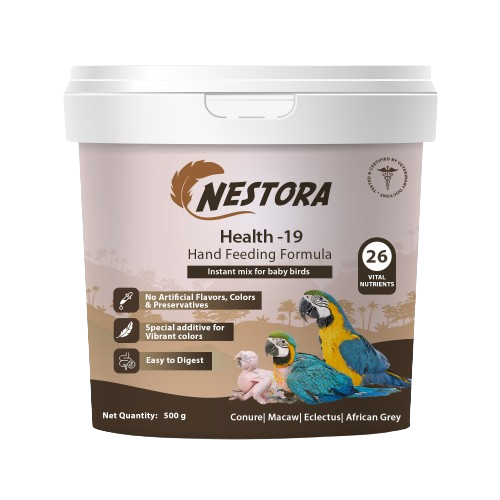
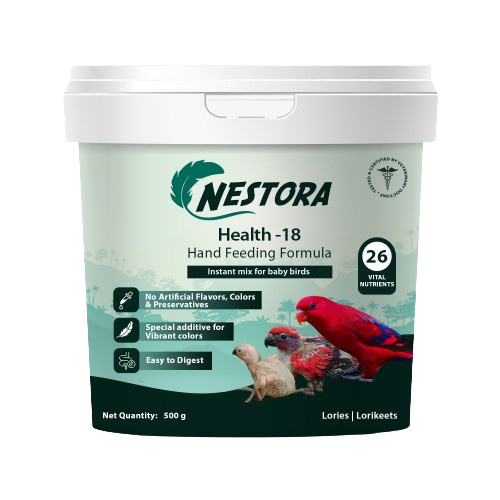
- Nestora premium instant mix for hand-fed chicks
- Beaksy handfeeding formula for daily nutrition and consistent support
What Sun Conures Like and Dislike
Sun conures have clear preferences, and observing them helps owners provide meals they enjoy while avoiding wastage.
Preferred Foods
- Crunchy textures (pellets, carrots)
- Colourful fruits and vegetables
- Mild herbs or sprouted seeds
- Predictable meal timing
Foods They Avoid
- Bitter greens or overly dry seeds
- Foods served cold or wet
- Sudden new items without introduction
- Artificial flavouring or coatings. To prevent this, switch to Nestora formulas – made without any artificial colors, flavors, or preservatives.
Observing behaviour during feeding is the best way to understand individual preferences.

Tips for Feeding Sun Conures
- Rotate Foods – Introduce different vegetables and fruits weekly to mimic natural foraging.
- Serve Fresh – Remove uneaten fresh foods within 2–3 hours.
- Measure Portions – Overfeeding can cause obesity and digestive issues.
- Hydration – Ensure clean, fresh water is always available.
- Observe Behaviour – Note changes in droppings, activity, and feather health.
Interesting Facts About Sun Conures
- Sun conures can learn simple tricks and mimic sounds if properly fed and stimulated.
- Their bright orange and yellow feathers are influenced by carotenoids from their diet.
- They are highly social and thrive in pairs or family interaction, especially during feeding.
- Wild sun conures eat a variety of flowers, buds, and insects along with seeds.
- They remember feeding schedules and may become vocal if meals are delayed.
Common Feeding Mistakes
- Seed-Only Diets – Seeds are low in vitamins and minerals. Over-reliance leads to malnutrition.
- Excessive Fruits – Too much sugar can cause hyperactivity and digestive issues.
- Inconsistent Feeding Times – Irregular meals increase stress and unpredictability.
- Ignoring Preferences – Birds may refuse food entirely if texture or temperature is unsuitable.
- Skipping Pellet Nutrition – Pellets are essential to provide nutrients missing in natural foods.

Feeding Schedule Recommendation
| Time of Day | Food Type | Purpose |
| Morning | Pellets + chopped vegetables | Balanced start, energy boost |
| Midday | Fresh fruit + light protein | Hydration, mental stimulation |
| Evening | Soft vegetables + occasional seed treat | Digestion support, comfort |
Structured feeding helps regulate behaviour and supports digestion. Avoid free-feeding seeds all day.
Signs of a Healthy Sun Conure
- Bright, shiny feathers
- Active and playful behaviour
- Steady appetite with interest in food
- Clean droppings and smooth beak
- Interactive and responsive to owners
Regular observation during feeding is key to detecting early health issues.

Conclusion
Sun conure food is more than just nourishment, it shapes their health, behaviour, and appearance. Owners must combine pellets, vegetables, fruits, and proteins in structured routines while observing preferences and behaviour. Specialty products like Nestora and Beaksy can provide additional support for handfeeding chicks.
For more expert advice, feeding tips, and updates, visit CKpets world to ensure your sun conure thrives every day.
FAQs
- What is the best daily diet for a sun conure?
A combination of pellets, vegetables, moderate fruit, and occasional protein. - Can sun conures eat fruit daily?
Yes, but in small, controlled portions. - Do seeds provide enough nutrition?
No, seeds alone are insufficient and must be complemented with pellets and veggies. - How can I tell if my sun conure is healthy?
Look for bright feathers, active behaviour, clean droppings, and steady appetite. - Can specialty formulas improve health?
Yes, products like Nestora and Beaksy support growth, nutrition, and daily well-being.
“A sun conure’s vibrancy starts with a balanced bowl, consistent care, and love in every meal.”