

How to Keep Your Macaw Bird Healthy and Vibrant at Home
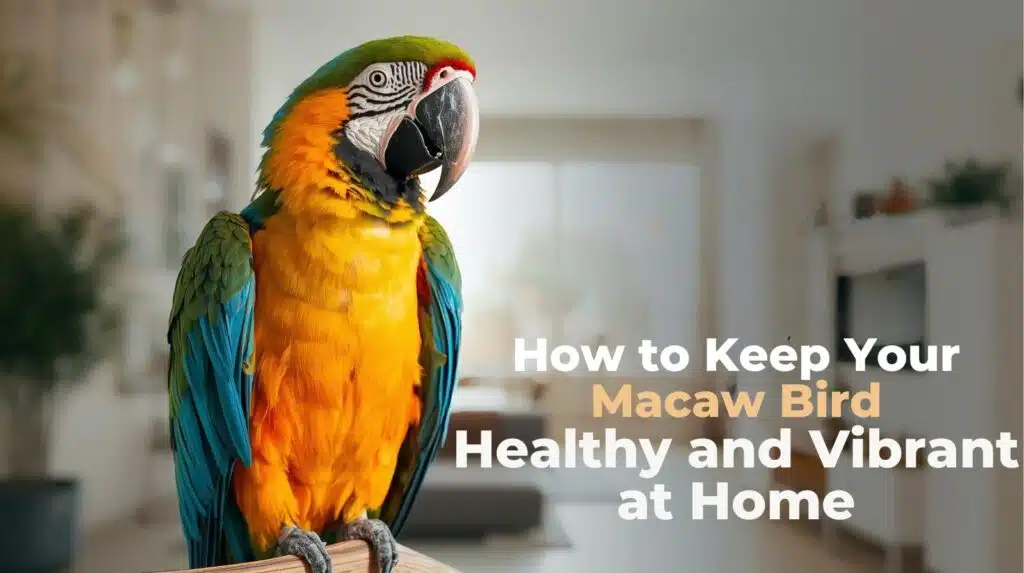
Macaw bird is one of the most striking and intelligent members of the parrot family, admired worldwide for their vibrant plumage and lively personalities. Caring for these exotic birds demands attention to diet, environment, and social needs to ensure they thrive physically and mentally.
What Is the Ideal Daily Diet for a Macaw Bird?
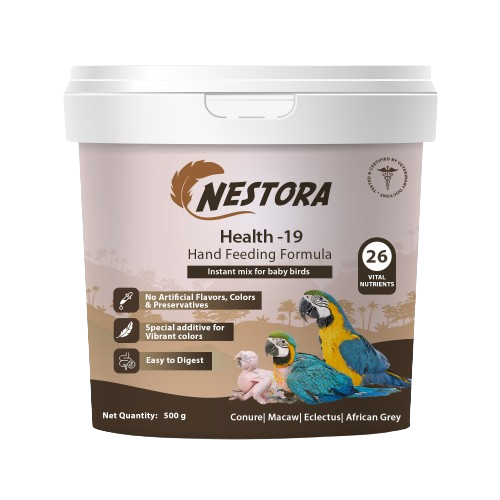
A macaw bird requires a balanced diet for optimal health. Fresh fruits, vegetables, high-quality pellets, and nuts form the core of their nutrition. Premium options like Nestora provide scientifically formulated, vet-recommended advanced care for young or hand-fed birds, while Beaksy supports daily nutrition, consistent care, and balanced feeding for baby macaws.
- Fruits: Papaya, mango, apple, banana
- Vegetables: Carrots, spinach, sweet potato
- Nuts: Almonds, walnuts (in moderation)
- Pellets: Ensure they are formulated for macaws
This diet supports feather development, strong beaks, and high energy levels.
How Much Space Does a Macaw Bird Need to Stay Healthy?
Macaws are highly active and require large cages or aviaries for exercise. Insufficient space can cause stress and abnormal behaviors. Recommended dimensions for adult macaws:
| Cage Dimension | Minimum Size |
| Width | 6 feet |
| Height | 6 feet |
| Depth | 4 feet |
Providing perches at different heights and including swings or climbing areas promotes natural movement and reduces boredom.

Why Does My Macaw Bird Mimic Sounds?
Macaw birds are naturally social and intelligent. Mimicking sounds is their way of communicating and strengthening social bonds. In captivity, mimicry reflects curiosity and engagement. Encouraging positive interactions and gentle reinforcement ensures the behavior is enjoyable for both the bird and owner.
How Can I Keep My Macaw Bird Mentally Stimulated?
Mental enrichment is vital for a macaw bird’s wellbeing. Strategies include:
- Rotating toys weekly to maintain interest
- Providing puzzle feeders or foraging opportunities
- Introducing natural branches and swings for climbing
Enrichment prevents stress, feather plucking, and boredom-related behaviors while improving cognitive function.
Are Macaws Prone to Specific Health Issues?
Yes, macaws have certain health concerns. Awareness and preventive care are essential:
| Health Concern | Symptoms | Prevention |
| Nutritional Deficiency | Weak bones, dull feathers | Nutritional balanced diet |
| Respiratory Infections | Sneezing, labored breathing | Proper ventilation, hygiene |
| Obesity | Lethargy, overweight | Exercise, balanced diet |
| Feather Plucking | Missing or damaged feathers | Enrichment, stress reduction |
Routine vet visits and high-quality diets like Nestora and Beaksy minimize these risks.
How Do Environmental Factors Affect Macaw Birds?
Lighting, temperature, and humidity are critical. Natural daylight or full-spectrum lighting helps vitamin D production and maintains sleep cycles. Maintain temperatures between 70°F–80°F and avoid sudden drafts. Proper care reduces stress and supports immune health.

Can Macaws Live Happily With Children?
Macaws can be great family pets, but interactions should be supervised. Their strong beaks and playful nature require teaching children gentle handling. Respecting the bird’s space and promoting safe play ensures a harmonious home environment.
Hand-Fed vs. Adult Macaw Birds: Which Is Easier to Train?
| Feature | Hand-Fed | Adult Captive-Bred |
| Socialization | Highly bonded to humans | May take time to trust |
| Feeding | Requires formula like Nestora | Transition to weaning food |
| Training | Easier due to early bonding | Requires interest and patience |
| Health | Close monitoring needed | Stable diet easier |
Hand-fed macaws often bond quickly, while adult birds are more independent but require time for trust building.
How Long Do Macaw Birds Live?
Macaws are long-lived birds, often reaching 50–60 years. Lifespan depends on genetics, diet, exercise, enrichment, and preventive healthcare. Owners must plan for a long-term commitment to provide consistent care.

Conclusion
Macaw bird care involves attention to diet, environment, and mental stimulation. With scientifically formulated feeding, proper housing, and consistent interaction, macaws flourish as intelligent, vibrant companions. For further guidance, product suggestions, or inspiration, contact us at CKpets world to explore expert resources.
FAQs
- What foods are essential for a macaw bird? A combination of fruits, vegetables, nuts, and high-quality pellets ensures a balanced diet.
- How often should I provide enrichment activities? Daily mental and physical stimulation is recommended.
- Can macaws be trained to interact with humans? Yes, consistent handling and positive reinforcement work best.
- What cage size is recommended for adult macaws? Minimum dimensions are 6x6x4 feet with perches and swings.
- How long can a macaw bird live in captivity? With proper care, macaws can live 50–60 years.
“A macaw’s colours reflect the care it receives; vibrant feathers come from nutrition, love, and daily attention.”