Bird Breeding Guide: Science, Care, and Sustainable Practices
Bird breeding succeeds when preparation, observation, and daily care work together-healthy pairs, proper nutrition, and suitable environments directly influence hatch rates and chick survival.
Bird breeding has quietly evolved from a backyard hobby into a knowledge driven practice backed by avian science, veterinary research, and real-world breeder experience. Across India and globally, breeders now focus on ethical pairing, seasonal awareness, and evidence-based feeding routines to ensure stronger generations of birds.
Why is bird breeding no longer just instinct-based?
Bird breeding today relies as much on observation as it does on science. Studies published in avian veterinary journals show that controlled environments significantly improve fertility and chick immunity.
Modern breeders monitor:
Light cycles that mimic natural seasons
Temperature stability inside aviaries
Stress indicators such as feather plucking or dullness
These factors collectively shape reproductive success and long-term bird health.
Understanding natural breeding cycles in captive birds
Every species follows a biological clock. Finches respond quickly to daylight changes, while parrots depend heavily on nutrition and nesting security.
Key cycle indicators include:
Increased vocalization
Nest exploration behavior
Pair bonding and mutual preening
Ignoring these signs often leads to infertile eggs or abandoned nests, a common issue reported by first-time breeders.
How does nutrition influence fertility and hatch success?
Nutrition sits at the center of bird breeding outcomes. Protein and fat balance, calcium availability, and micronutrients directly affect egg quality.
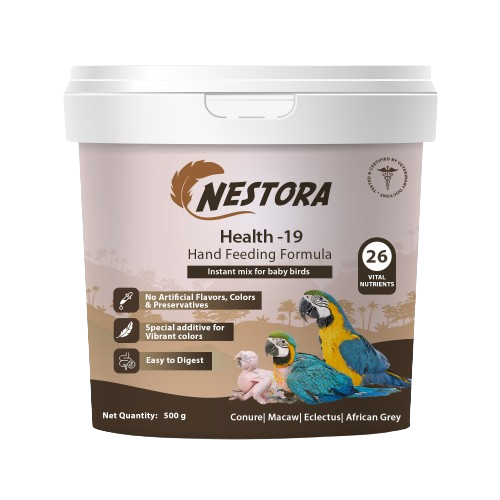
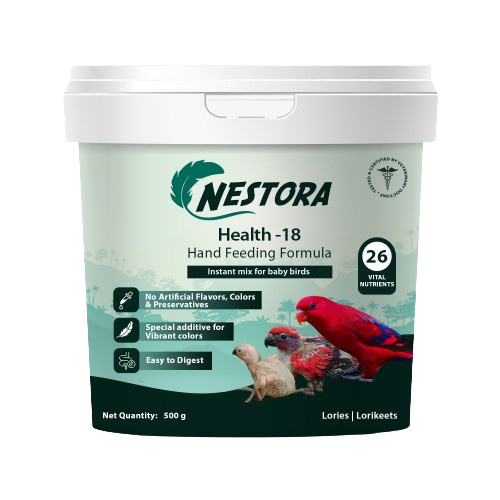
A scientifically formulated option likeNestora is often referenced by avian professionals during early chick stages due to its premium, vet-recommended, advanced care profile that supports fragile digestive systems.
Nesting environments that quietly improve breeding results
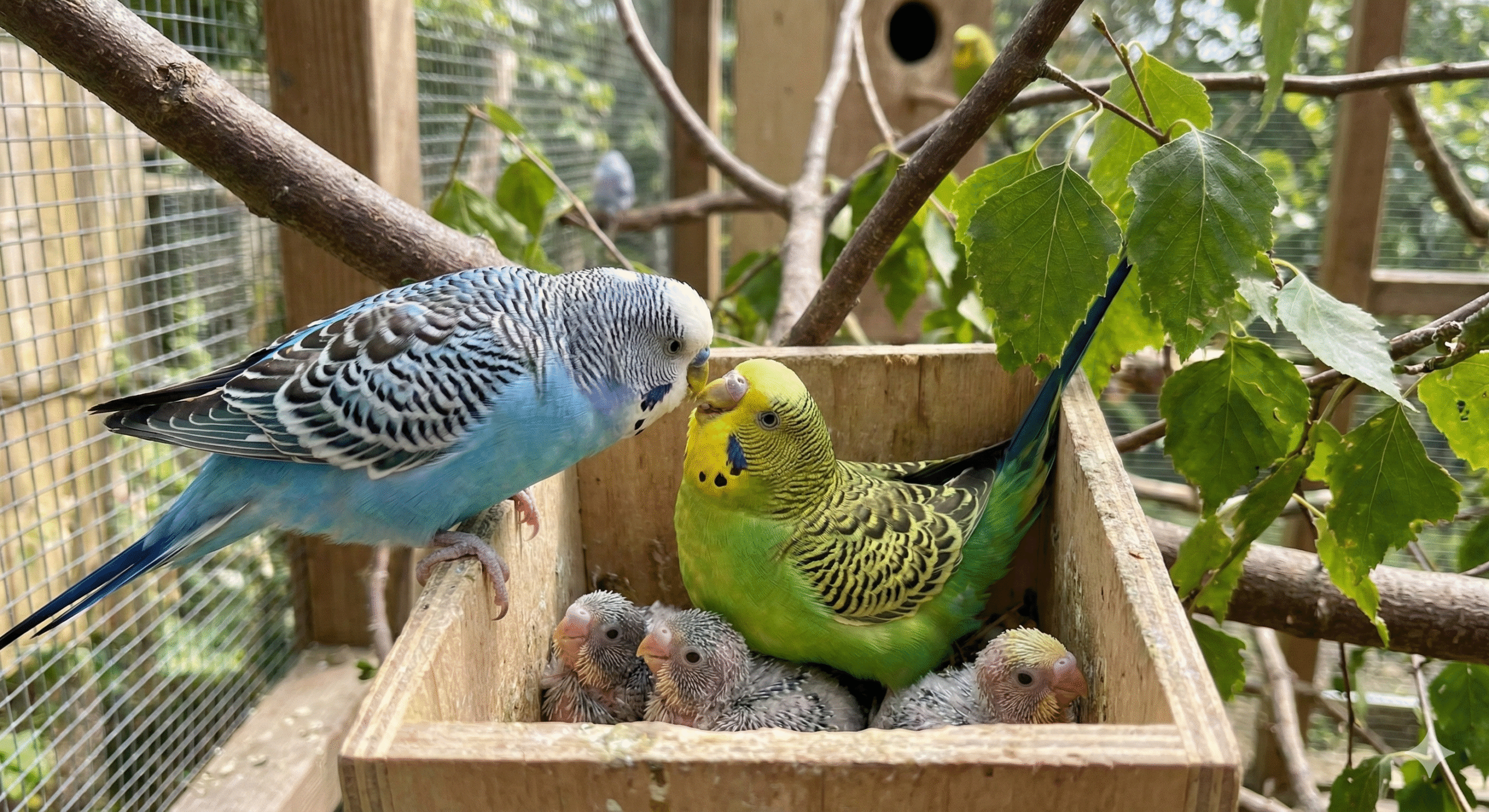
Birds breed best when they feel unseen yet secure. Research from captive breeding programs highlights nest placement as a decisive factor.
Effective nesting setups include:
Elevated nest boxes away from direct human movement
Natural fibers that regulate moisture
Adequate spacing to prevent territorial stress
A calm nesting zone often leads to better egg incubation consistency.
The role of genetics in responsible bird breeding
Ethical bird breeding avoids repeated close pairing. Genetic diversity reduces the risk of deformities and immune weakness.
Breeders now maintain:
Pairing records
Hatch history logs
Growth and behavior notes
This data-driven approach mirrors wildlife conservation methods used in zoological breeding programs.
What mistakes do experienced breeders still warn about?
Even seasoned breeders face setbacks. According to avian rescue reports, most breeding failures stem from over-intervention.
Commonly reported issues include:
Excessive nest checking
Sudden diet changes and improper diet
Noise disturbances during breeding cycle
Predators disturbances
Letting birds follow natural rhythms often produces better results than constant monitoring.
Seasonal planning: timing matters more than numbers
Bird breeding aligns closely with seasonal cues. Attempting year-round breeding exhausts birds and lowers fertility.
Best practices include:
Rest periods between clutches
Adjusting daylight hours gradually
Monitoring feather condition as a health marker
This approach supports sustainable breeding rather than short-term output.
Mini insight: how urban breeders are adapting
Urban breeders now use sound-dampened rooms, indoor aviary lighting systems, and air-quality monitoring-techniques borrowed from professional breeding centers. These adaptations allow bird breeding success even in compact spaces without disturbing natural behavior.
Answering real breeder questions with clarity
Bird breeding often raises practical concerns that deserve direct answers backed by experience and research.
Comparison snapshot: traditional vs modern breeding approach
Bird breeding rewards patience. Healthy chicks today become stable breeding pairs tomorrow. Long-term success depends on consistent care routines, structured observation, and learning from each breeding cycle rather than rushing outcomes.
Conclusion
Bird breeding thrives when knowledge replaces guesswork, blending natural instincts with modern care practices. For breeders seeking ongoing guidance, product insights, and expert-backed updates, exploring the resources and support available at CKpets world through thecontact us page can offer continued inspiration and clarity.
FAQs
What is the best season for bird breeding? Spring and early summer are ideal as natural daylight and temperatures support breeding cycles.
How often can birds breed safely in a year? It depends on the species type. Most birds breed only a few times annually to avoid physical exhaustion.
Does nutrition affect bird breeding success? Yes, balanced nutrition directly impacts fertility, egg strength, and chick survival.
Can bird breeding happen indoors successfully? Yes, with controlled lighting, ventilation, and reduced stress factors.
How long do bird eggs take to hatch? Hatching periods vary by species, typically ranging from 23 to 35 days.