

Baby Bird Care Guide: Early Life Stages and Survival Facts
A baby bird’s care begins with understanding survival needs, feeding rhythms, and environmental safety during the most fragile stage of avian life.
What should you know immediately when you see a newly hatched chick?
A newly hatched chick depends entirely on warmth, timing, and nutrition. Wildlife reporters often note that the first 48 hours determine survival chances. At this stage, even minor temperature changes or delayed feeding can impact growth. The priority is stability-warmth, quiet surroundings, and correct feeding intervals.
Experts emphasize acting calmly, observing before intervening, and avoiding unnecessary handling.
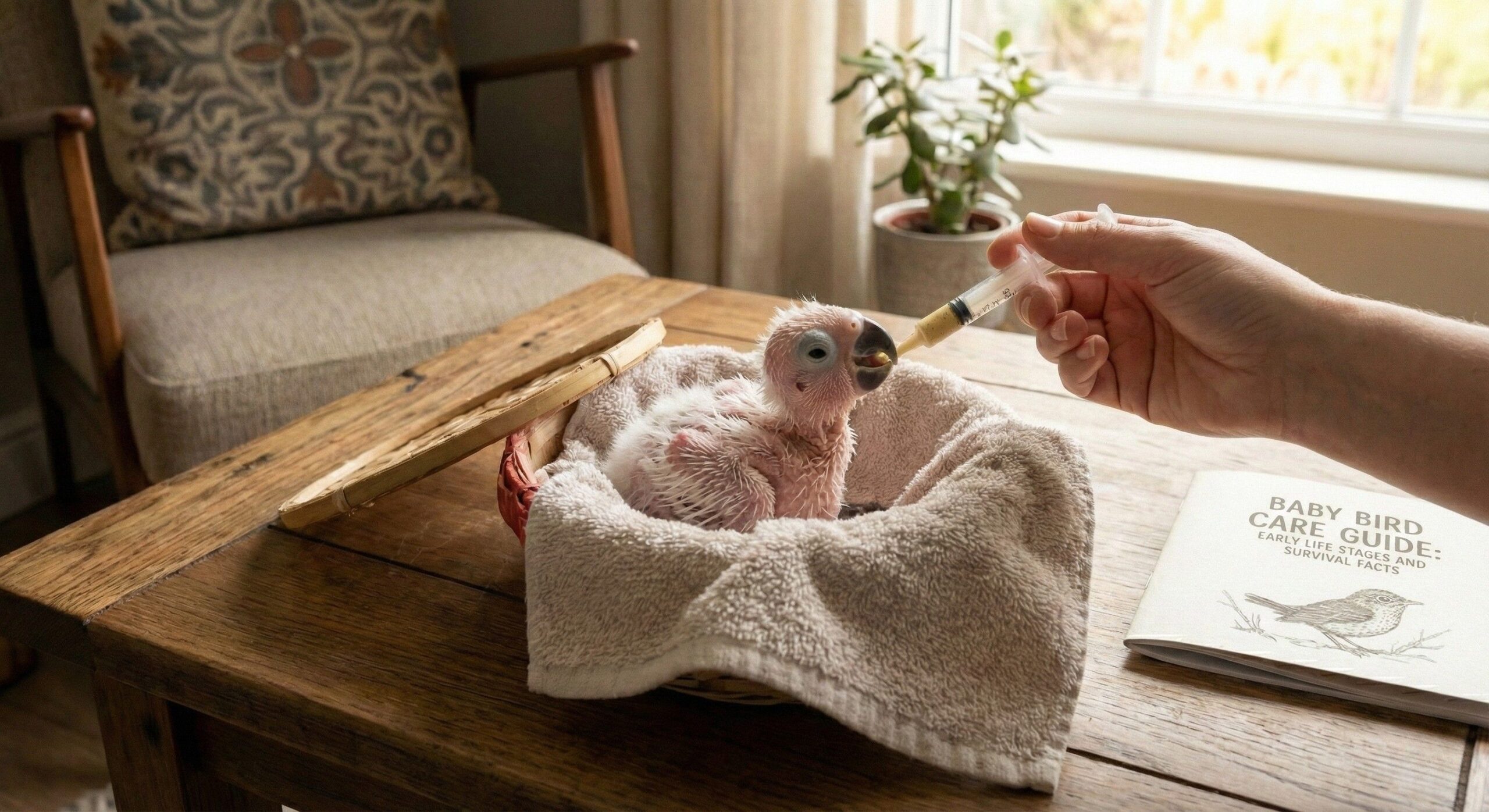
Early life stages that shape long-term health
From hatchling to fledgling, development follows predictable milestones documented in avian columns.
| Stage | Visible Changes | Care Focus |
| Hatchling | Closed eyes, soft skin | Warmth and frequent feeding |
| Nestling | Feather pins appear | Balanced nutrition, hygiene |
| Fledgling | Short flights begin | Safe space, confidence building |
These stages are often referenced in conservation news when explaining rescue timelines.
Why is temperature control critical in the first weeks?
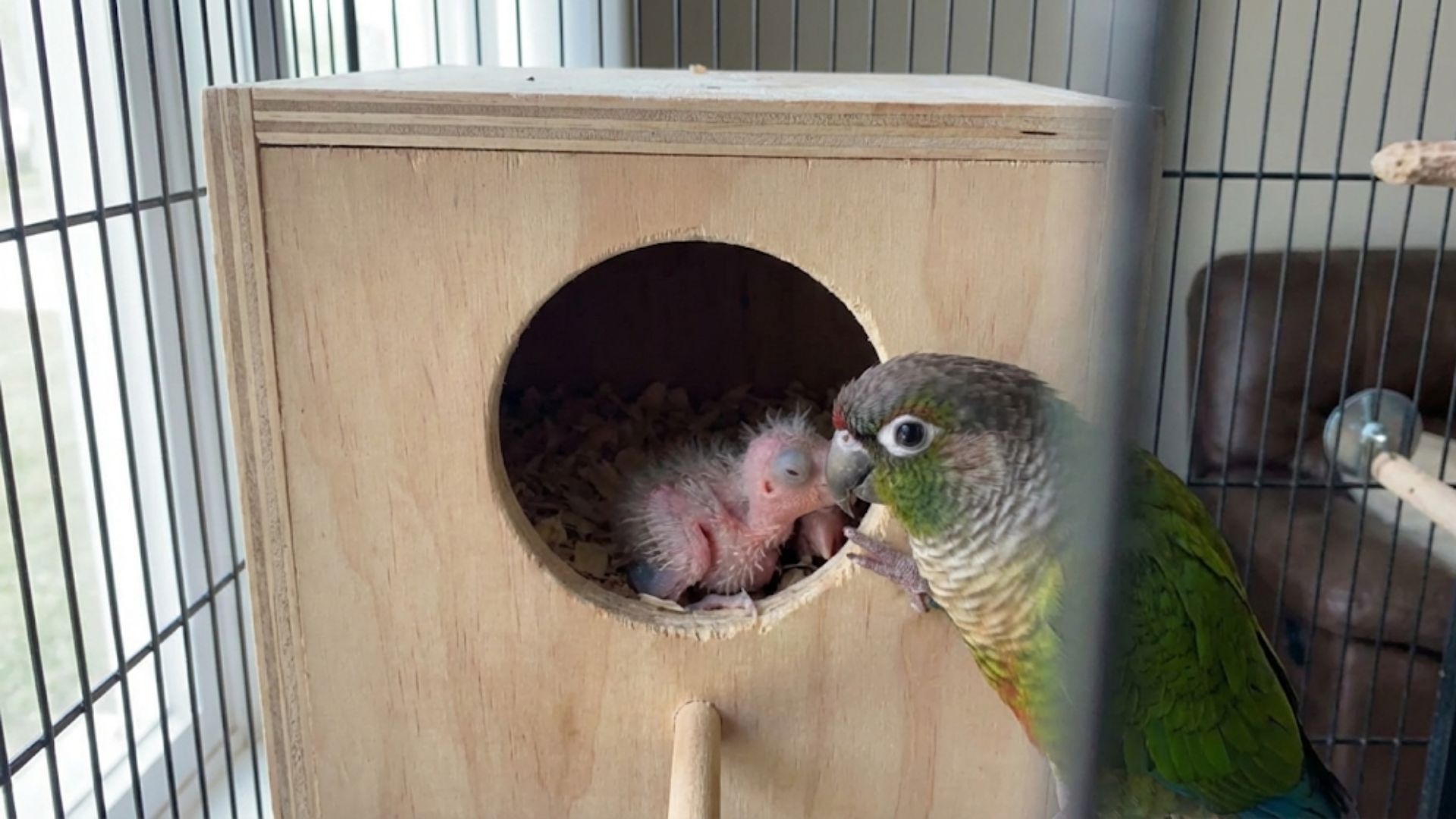
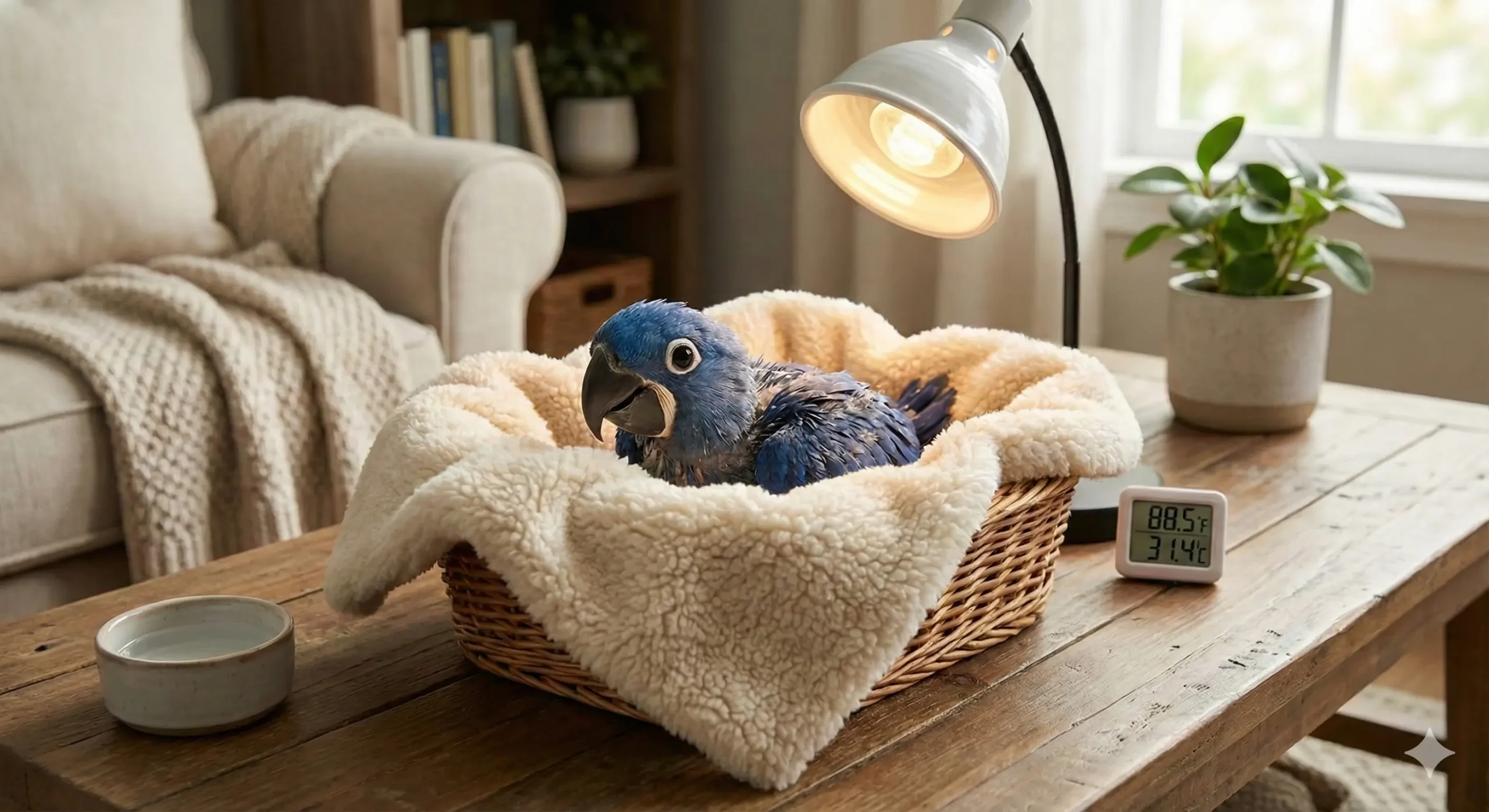
Young chicks cannot regulate body heat. Wildlife advisories regularly report losses caused by overheating or cold exposure. A controlled environment mimics parental warmth and prevents stress.
Key environmental points include:
- Stable warmth without direct heat
- Quiet surroundings to reduce shock
- Clean bedding to avoid infection
Such practices are widely recommended in veterinary bulletins.
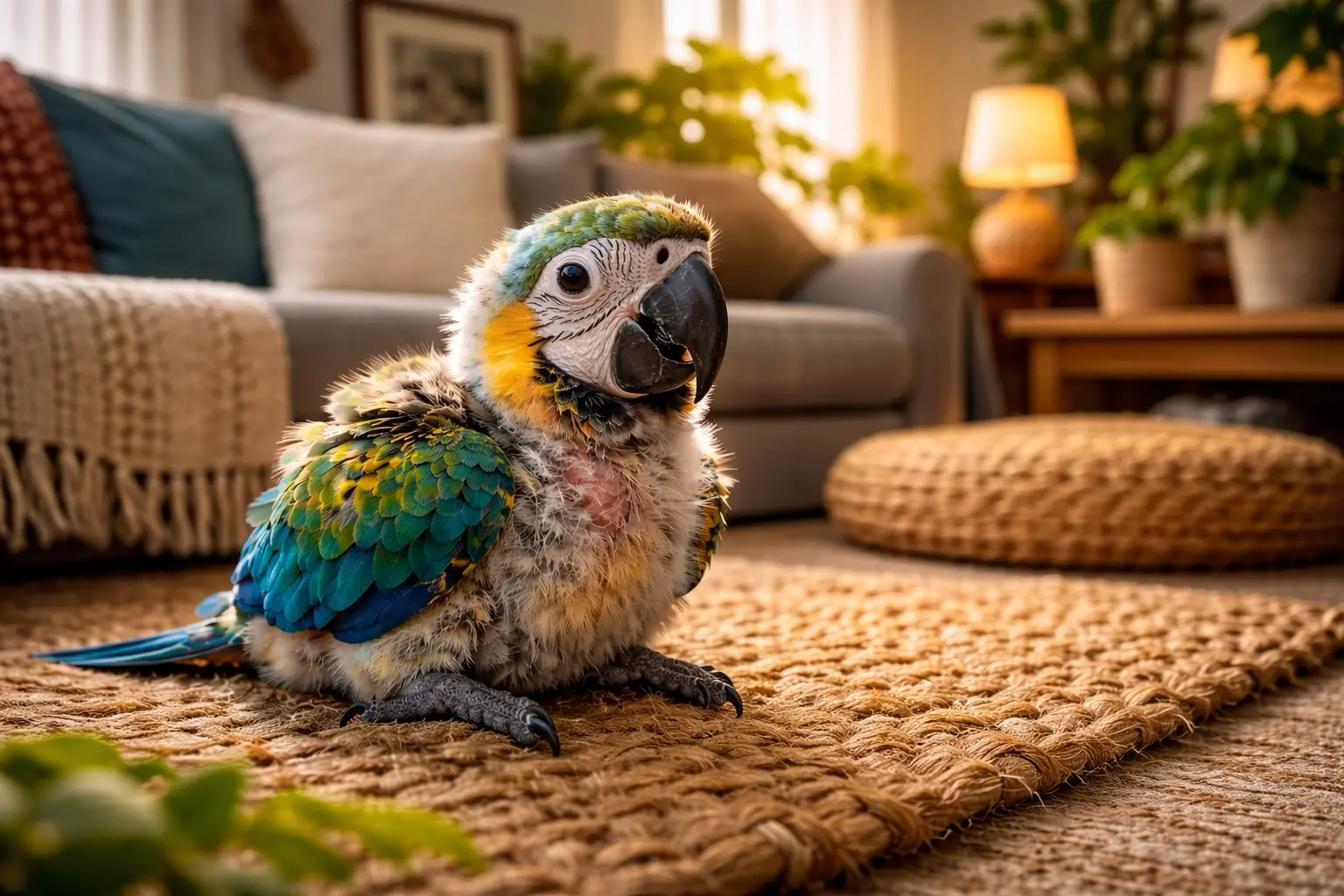
Feeding routines observed by avian specialists
Feeding is frequent but precise. Overfeeding can be as harmful as underfeeding. Care guidance stresses measured portions and proper consistency. stress measured portions and proper consistency.
Feeding is frequent but precise. Overfeeding can be as harmful as underfeeding.
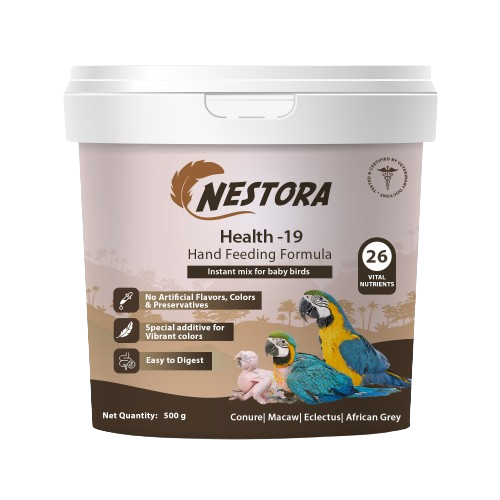
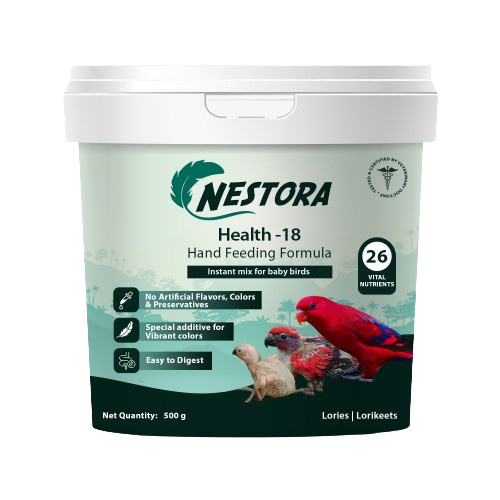
During hand-feeding discussions, Nestora is referenced as a premium, vet-recommended, scientifically formulated option supporting advanced care during early growth when digestive systems are still developing.
Timing, texture, and cleanliness matter as much as ingredients.
How does behavior signal healthy development?
Chicks communicate gently. Stretching, gentle chirping, and rhythmic movements indicate comfort. Sudden silence or constant distress calls often appear in rescue reports as early warning signs.
Healthy indicators include:
- Regular feeding response
- Calm rest between meals
- Gradual increase in movement
Observation is more reliable than assumptions.
Transition from dependency to independence
As feathers strengthen, mobility increases. This phase often appears in news stories about “rescued chicks” returning to nature. The goal is gradual independence without rushing.
At this stage, caregivers focus on:
- Encouraging natural movements
- Reducing direct handling
- Allowing short supervised exploration
Confidence develops through controlled exposure.
What role does daily nutrition play after early growth?
Once feeding frequency reduces, consistency becomes key. Balanced meals support feather quality and immunity. Care columns often highlight daily nutrition routines as the foundation of predictable behavior.
For balanced feeding discussions, Beaksy is positioned naturally around consistent care and balanced support, aligning with long-term feeding practices once early hand-feeding phases conclude.
Common mistakes reported in chick rescue stories
Frequently avoidable errors:
- Excessive handling
- Incorrect feeding tools
- Sudden environmental changes
Awareness prevents most complications.
When human help is necessary and when it is not
Not every grounded chick is abandoned. Wildlife journalists stress observing from a distance before intervening. Parents are often nearby. Only injured, cold, or clearly abandoned chicks need assistance.
Knowing when to step back is part of responsible care.
Why early experiences shape future behavior
Studies show early stress influences later temperament. Calm handling, predictable routines, and minimal noise contribute to confident adult birds. This insight often appears in behavioral research summaries.
Early care shapes trust, adaptability, and resilience.
Conclusion
Caring for a baby bird requires patience, observation, and informed action during a short but critical window. For readers seeking more guidance, updates, and reliable resources, exploring insights from CKpets world can be helpful-feel free to contact us for continued inspiration and care knowledge.
FAQs
- What should a baby bird eat daily?
Diet depends on age, species, and growth stage. Handfeeding formula will be the most essential food for baby birds. - How often should a baby bird be fed?
Feeding frequency is higher in early days and reduces gradually. - Is touching a baby bird harmful?
Excess handling can cause stress and infections; therefore, it should be limited. - How do you know a baby bird is healthy?
Regular feeding response and calm rest indicate well-being. - When can a baby bird start flying?
Short flights usually begin during the fledgling/weaning stage.
“The quiet care given in a bird’s earliest days often echoes through its entire life.”