


Talking Birds Guide: Intelligent Species and Human Speech Skills
Talking birds have fascinated humans for centuries, not because they merely repeat words, but because they reflect intelligence, memory, and emotional bonding rarely seen in the animal world. From ancient royal courts to modern homes, these vocal companions have been documented in research papers, wildlife columns, and newspaper features for their ability to mimic human speech with surprising accuracy.
What Makes Talking Birds Capable of Mimicking Human Speech?
Talking birds possess a highly developed syrinx, the vocal organ that allows them to produce complex sounds. According to avian research often cited in global science columns, parrots and similar species don’t “talk” randomly-they associate sounds with context, tone, and sometimes emotion.
Interesting fact reported in wildlife journals: African Grey parrots can develop a vocabulary of over 1,000 words, rivaling the language comprehension of a young child.
Key reasons behind speech ability include:
- Strong social instincts
- High neural density in the forebrain
- Long lifespan allowing extended learning
- Constant interaction with humans
This is why talking birds raised in enriched environments tend to speak more clearly and meaningfully.
Popular Talking Birds Found in Homes Worldwide
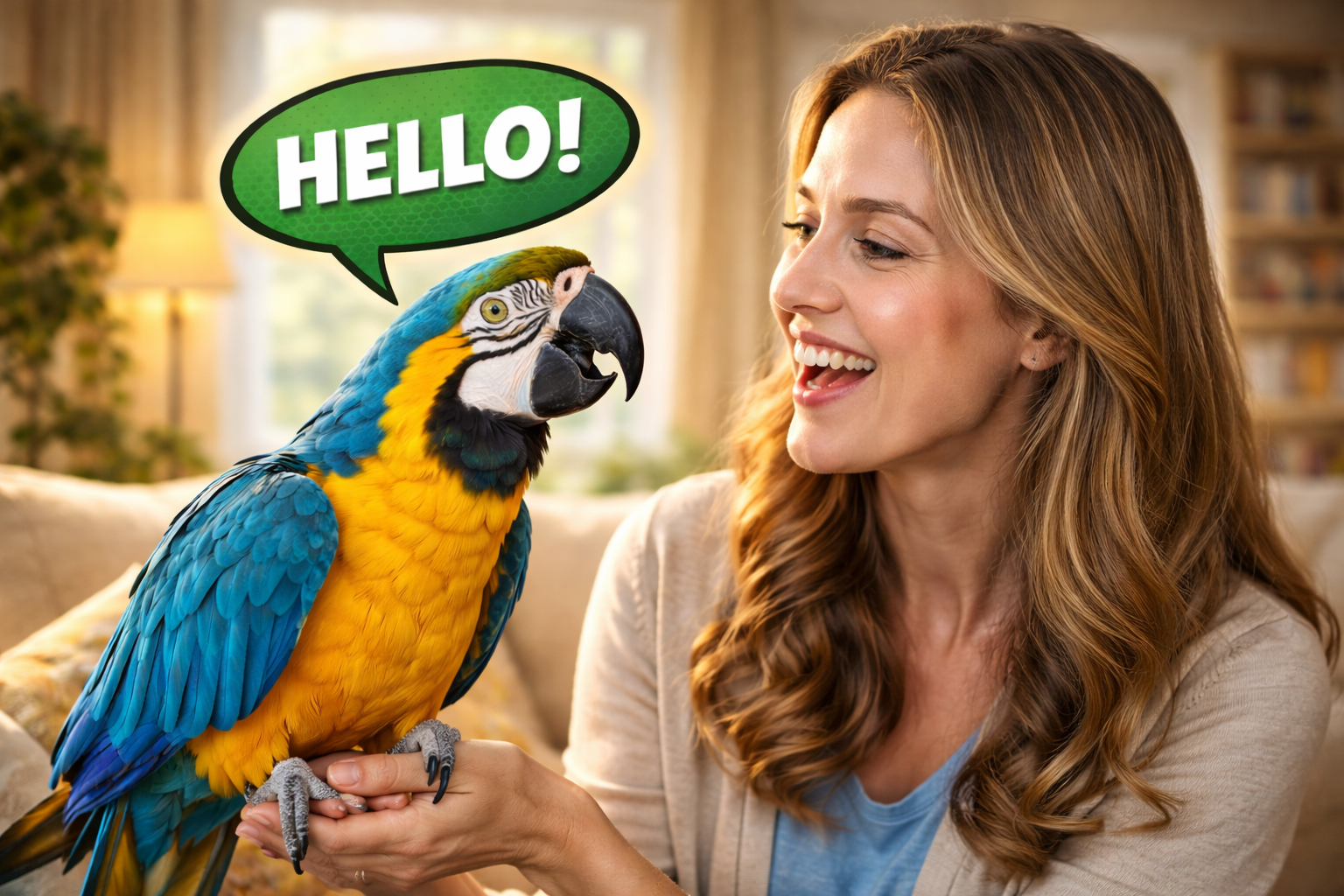
Talking birds come in different sizes, personalities, and learning speeds. Newspaper wildlife supplements often highlight the following species as the most reliable talkers:
| Bird Species | Speech Clarity | Intelligence Level | Lifespan |
| African Grey | Excellent | Very High | 50–70 yrs |
| Macaw | Excellent | Very high | 50-70 yrs |
| Amazon Parrot | Very Good | High | 50–70 yrs |
| Monk Parrot | Good | Medium | 20–30 yrs |
| Cockatoo | Moderate | High | 60-80 yrs |
Each species develops speech differently, often influenced by routine, diet, and social exposure.
Do Talking Birds Understand What They Say?
This question has appeared repeatedly in science editorials and the answer is nuanced. While not all talking birds understand meaning, studies published in animal cognition journals show that some species, especially African Greys, associate words with actions, objects, or people.
For example:
- Saying “water” before drinking
- Greeting specific family members by name
- Expressing frustration or excitement vocally
Such behavior suggests contextual understanding rather than blind repetition.
Daily Life With Talking Birds: What Owners Should Expect
Living with talking birds is closer to living with a highly observant roommate than owning a silent pet. Reports from avian welfare columns highlight that these birds respond strongly to routine changes, voice tone, and household dynamics.
Common daily behaviors include:
- Morning and evening vocal bursts
- Mimicking phones, alarms, or doorbells
- Learning phrases repeated consistently
- Using vocalization to seek attention
This is where Beaksy fits naturally into everyday care for young birds. Positioned as an affordable, best-nutritious daily feed from the early stage, it provides balanced support that complements routine feeding habits, helping nurture mental alertness and encouraging healthy vocal activity as they grow.

Why Nutrition Impacts Speech and Learning Ability
Avian veterinarians writing for animal health magazines emphasize that brain function in birds is directly linked to diet. Deficiencies in amino acids, calcium, or vitamins can reduce vocal clarity and learning motivation.
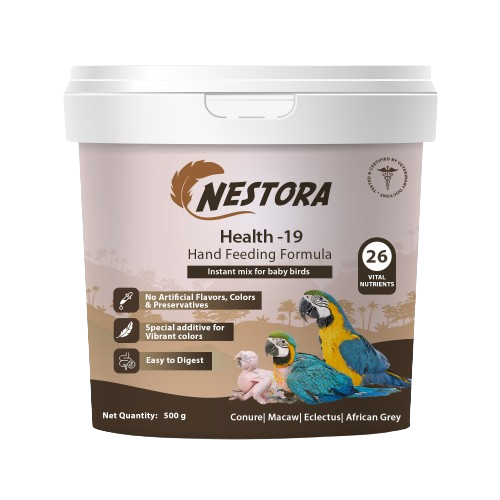
A premium, vet-recommended, scientifically formulated option like Nestora supports advanced care during early development, especially for young or hand-fed birds. Proper nutrition during formative months significantly influences long-term cognitive and vocal potential.
Can Talking Birds Learn Multiple Languages?
Surprisingly, yes-this fact has been featured in international wildlife news. Talking birds exposed to multilingual households often mix words from different languages, mimicking pronunciation patterns accurately.
Researchers attribute this to:
- Exceptional auditory memory
- Ability to distinguish tonal variation
- Strong social reinforcement
This makes talking birds unique among pets, as their learning adapts directly to the human environment rather than instinct alone.
Real Long-Tail Question: How Long Does It Take for Talking Birds to Speak Clearly?
Most talking birds begin experimenting with sounds within the first 6–12 months. Clear words usually emerge after:
- Repetition of short phrases
- Consistent tone from the same person
- Positive response when sounds are repeated
According to avian behavior columns, patience matters more than technique. Birds forced to “perform” often stop vocalizing altogether.

Social Interaction and Mental Health in Talking Birds
Newspaper animal welfare sections increasingly stress that talking birds are emotionally complex. Loneliness can lead to feather plucking, screaming, or silence.
Healthy engagement includes:
- Talking back when the bird vocalizes
- Playing recorded speech occasionally
- Allowing visual access to family activity
- Maintaining predictable feeding schedules
This balanced routine supports both speech development and emotional stability.
Mini Insight: Urban Homes vs Natural Instincts
In urban environments, talking birds often replace flock communication with human speech. Researchers have noted that birds living in apartments mimic elevator sounds, vehicle horns, and even neighboring voices-an adaptation highlighted in urban wildlife studies.
This adaptability is what makes talking birds such compelling companions, blending wild intelligence with domestic life.
Common Misconceptions About Talking Birds
- They talk all day – Most speak during active hours only
- Only males talk – Females of many species vocalize equally
- Bigger birds talk better – Small Birds: Small birds like Monk Parrots can be excellent mimics and are capable of learning words, phrases, and sounds when trained consistently from a young age.
Medium Birds: Medium-sized birds such as African Grey Parrots and Amazon Parrots are known for their exceptional mimicking ability, often learning a wide vocabulary and using words clearly in context.
Such myths are frequently corrected in expert columns but still persist among first-time owners.
Conclusion
Talking birds continue to captivate scientists, journalists, and pet lovers because they blur the line between instinct and intelligence. Their voices are not just sounds but reflections of environment, care, and companionship. For readers seeking deeper guidance, care insights, and curated bird essentials, visiting CKpets world can be a helpful next step-explore tips, updates, and inspiration through their contact us page and stay connected with the evolving world of intelligent avian companions.
Frequently Asked Questions
- Are talking birds easy to train at home?
Yes, talking birds learn naturally through repetition, routine, and daily interaction. - Do talking birds need special food for speech?
Balanced nutrition supports brain health, which directly affects speech learning. - Can talking birds forget words?
Yes, talking birds may stop using words if they are not reinforced regularly.
“When a bird learns your words, it’s not copying your voice-it’s joining your conversation.”