




Love Birds in Today’s Homes: Social Bonds, Diet, & Daily Rhythm
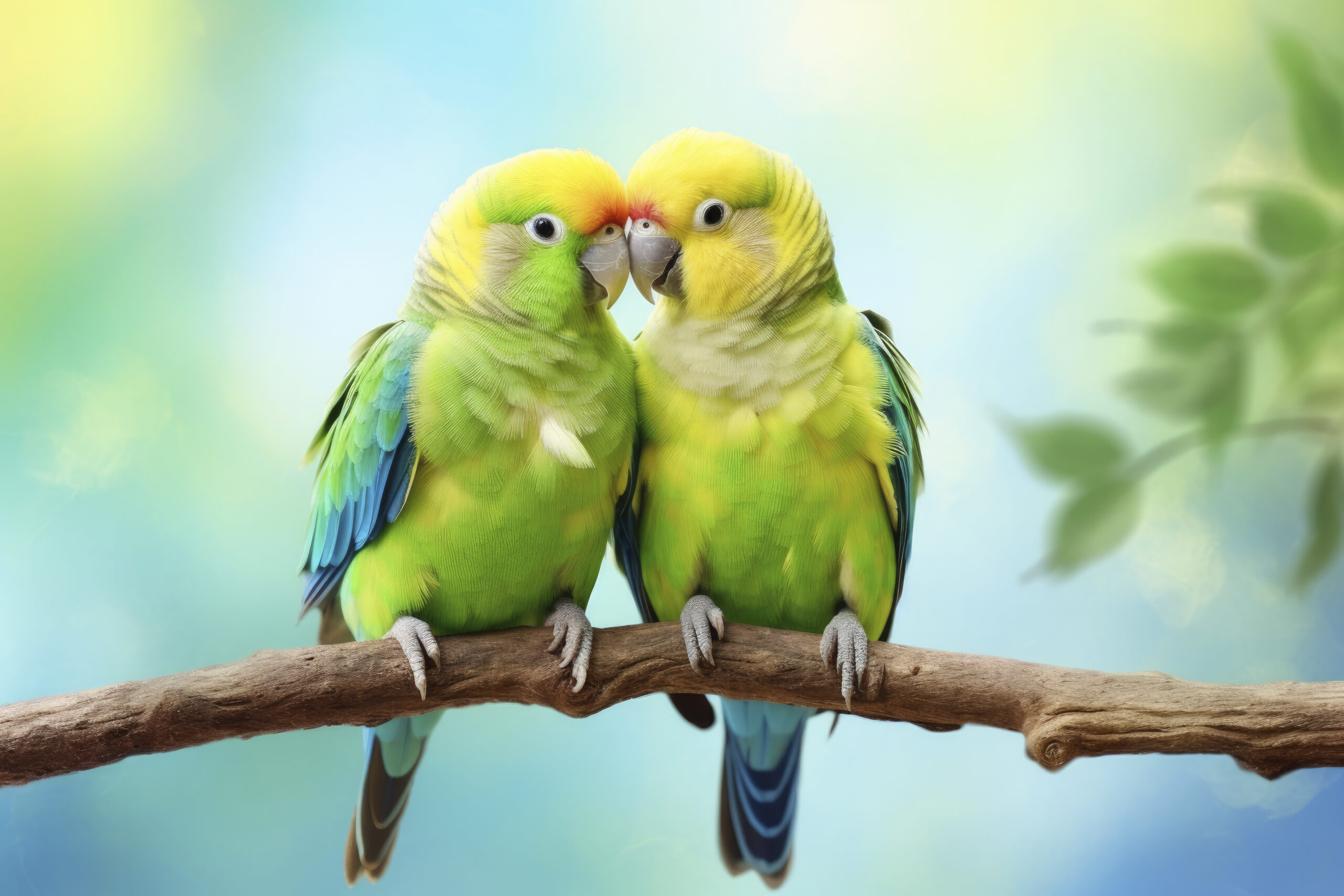
Across pet sections of newspapers and recent aviculture reports, paired parrots like these are repeatedly highlighted as “socially dense species,” meaning their daily health mirrors their emotional environment. Unlike many pet birds that tolerate isolation, love birds reflect changes immediately-through voice, posture, and appetite.
Why Do Love Birds Form Such Strong Pair Bonds So Quickly?
Ornithology features in international wildlife journals note that these small parrots evolved to survive through constant pair communication. In home settings, this instinct remains unchanged. Avian care specialists observe that bonded birds synchronize sleep cycles, preen routines, and feeding habits.
Key observations reported by breeders and vets include:
- Mutual feeding as a stress indicator
- Collective alert calls rather than solo vocalization
- Shared resting spots inside the enclosure
This behavior explains why sudden environmental changes-cage movement, noise shifts, or altered feeding times-often appear in veterinary case notes involving paired parrots.
Daily Feeding Cycles and What They Reveal About Avian Health
In several veterinary nutrition reports, appetite timing is described as the “first mirror” of internal balance. Love birds typically eat more during early daylight hours and again before dusk, echoing wild foraging schedules.
Bird health columns emphasize that:
- Irregular intake often precedes feather stress
- Overly soft droppings correlate with excess sugars
- Sudden preference changes indicate mineral imbalance
Veterinarians frequently recommend scientifically formulated feeding plans that maintain consistency. Products like Beaksy are commonly positioned by avian experts as daily nutrition, offering balanced support for everyday feeding without disrupting natural rhythms.
Are Love Birds Sensitive to Household Schedules?
Yes-and research articles from urban pet studies confirm it. In multi-city surveys, pet birds exposed to irregular lighting and late-night noise showed elevated stress markers.
Observed sensitivities include:
- Light exposure after sunset
- Human sleep pattern shifts
- Inconsistent feeding cues
Advanced care guidelines published in avian magazines explain that maintaining time-based routines stabilizes digestion and vocal behavior in pet birds, especially highly bonded species.

Understanding Feather Condition Through Environmental Reporting
Feather quality is often called “visible nutrition journalism” in veterinary columns because it reflects unseen factors. Reported correlations include:
| Feather Observation | Common Underlying Cause |
| Dull coloration | Micronutrient gap |
| Frayed edges | Excess humidity |
| Slow regrowth | Protein imbalance |
Vet-recommended programs frequently stress hydration balance and enzyme control rather than quantity-focused feeding.
How Space Design Influences Vocal and Social Expression
Interior pet columns increasingly discuss “acoustic comfort” for small parrots. Love birds respond to echo, vibration, and enclosure height more than color or décor.
Field notes suggest:
- Higher cage placement encourages calm calling
- Rounded perches reduce territorial stress
- Visual access matters more than enclosure size
Such insights often appear in lifestyle journalism, framing bird care as environmental design rather than confinement management.

Behavioral Signals That Often Appear Before Illness
According to compiled avian clinic reports, the following subtle signs are frequently noted days before clinical symptoms:
- Reduced mutual grooming
- Paired silence during active hours
- One-sided feeding behavior
These patterns underline why consistent observation is emphasized across pet news features-not reactive treatment.
Common Questions Readers Ask About Love Birds (Answered Briefly)
- Are love birds better kept in pairs? Yes, most avian studies show paired parrots display more stable behavior.
- What do love birds eat daily? A balanced mix aligned with vet-recommended nutritional profiles supports consistency.
- Do love birds recognize routines? Yes, routine recognition is strongly documented in avian behavior research.
- How long do love birds live in home care? With structured care, reports cite long, stable lifespans.
- Can love birds adapt to apartment living? Yes, when environmental cues and feeding cycles are consistent.
Conclusion
Love birds continue to be featured in avian journalism not just for their beauty, but for what they reveal about social intelligence in pet birds. When daily routines, nutrition timing, and environmental calm work together, these parrots reflect stability through behavior and vitality. For readers seeking ongoing updates, expert perspectives, and curated care insights, exploring resources at CKpetsworld via their contact us page can offer further direction and inspiration.
Fresh Quote:
“Small parrots speak softly, but their routines tell the loudest stories.”


